In Florida, installing or replacing an air conditioning system requires a mechanical permit and a passed inspection. Here's what that actually means for you.
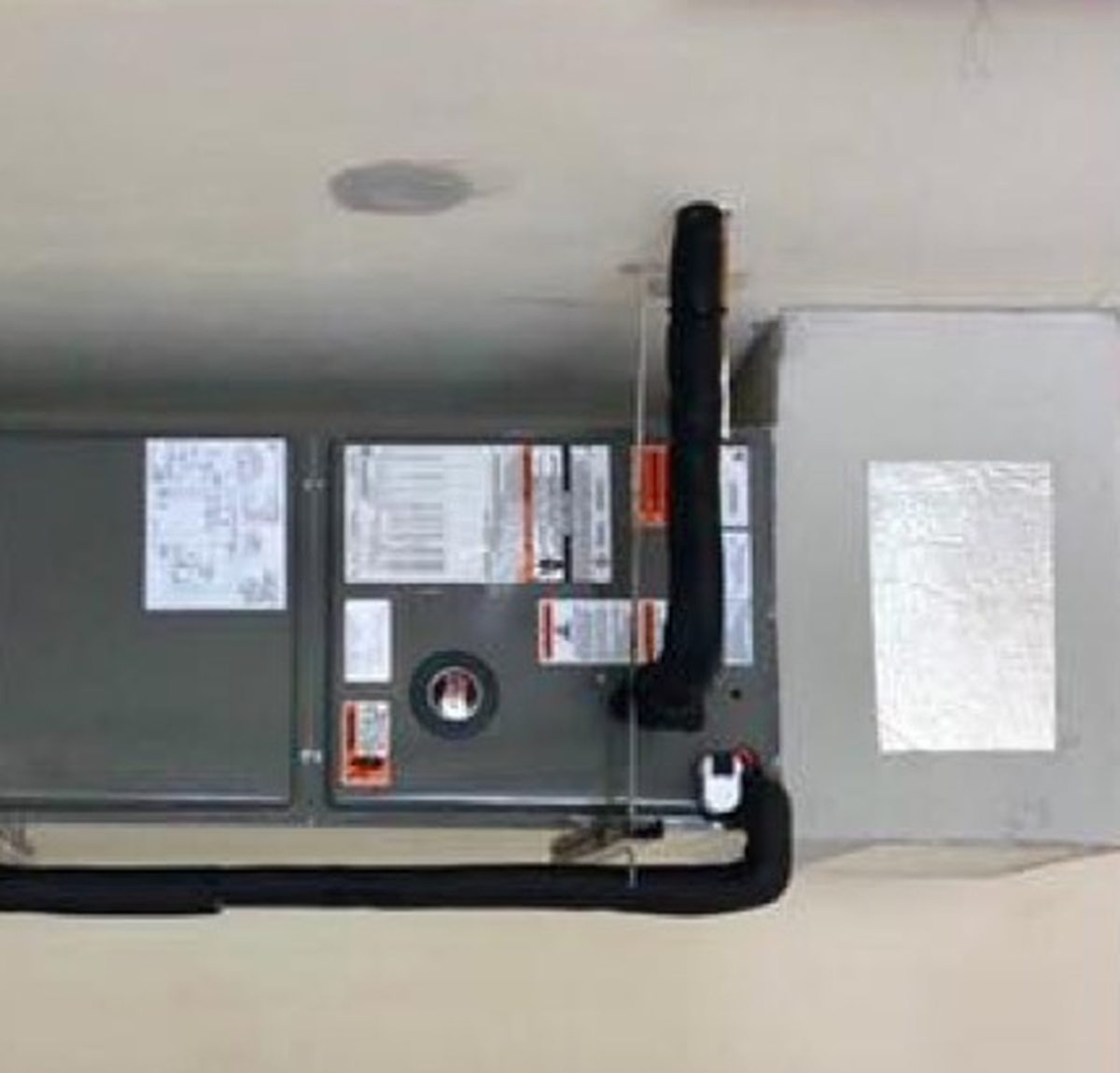
Mechanical work in Florida is governed by the Florida Building Code, currently the 8th Edition (2023). Under it, installing or replacing air conditioning equipment is permitted work — including a straight like-for-like change-out.
The permit has to be pulled by a licensed contractor, who files it under their own license and carries the responsibility for the work. A homeowner can pull an owner-builder permit on their own residence, but that means appearing in person, signing a disclosure statement, and taking on that responsibility themselves.
This page is a plain-language summary, not legal advice. Requirements change and vary by address — the building department having jurisdiction is always the authority.
Southwest Florida is a high-wind region. An outdoor unit that isn't properly anchored becomes a projectile in a hurricane. Equipment in a flood zone has elevation requirements. Electrical and condensate work has to be done to standard.
The permit is how that gets verified by someone who doesn't work for the contractor.
Plenty of homes with a Cape Coral or Fort Myers mailing address sit outside city limits. The permitting authority follows the property line.
Inside Cape Coral city limits
The City of Cape Coral Building Division issues the permit and performs the inspections. Applications and inspection requests go through the city's online portal.
Unincorporated Lee County
Lee County Development Services handles it. Contractors file electronically; the county lists the required inspections by job type.
A like-for-like replacement of a condensing unit or air handler does not require plans. It still requires the permit.
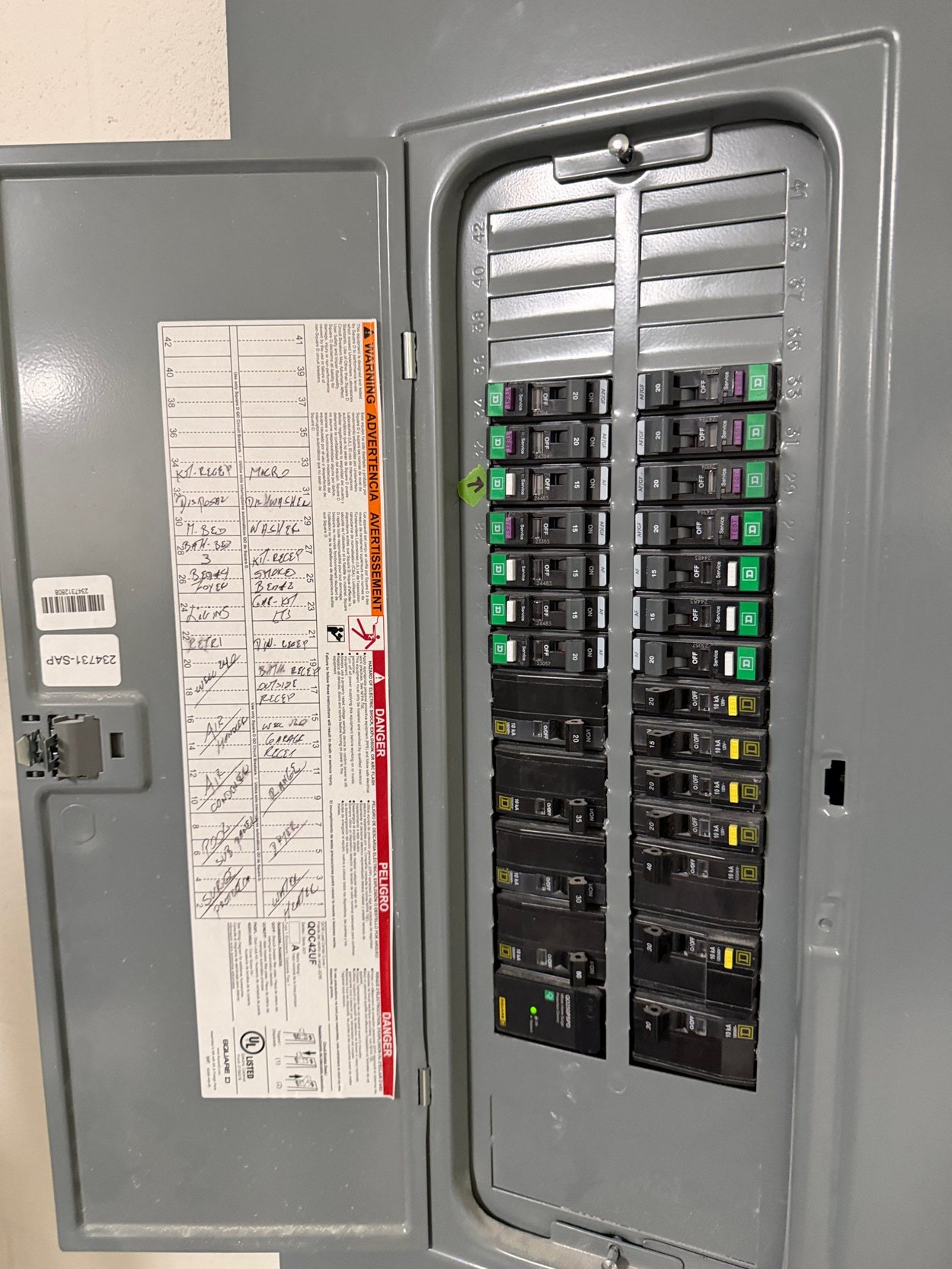
Open or missing permits turn up in a title search. Buyers' attorneys ask about them, and closings get held up over work done years earlier.
Most warranties require installation by a licensed contractor to code. An unpermitted install gives the manufacturer an easy reason to decline a claim.
If an unanchored unit causes damage, the claim is a harder conversation than it needs to be.
Permit fees are a small fraction of a system. Correcting unpermitted work after the fact is not.